By: Francesca Mundrick, Founder of R4R
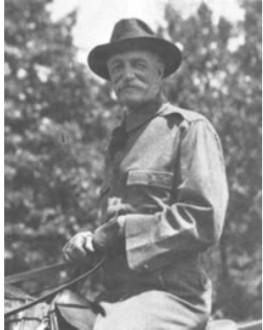
“Conservation is the application of common sense to the common problems for the common good.” -Gifford Pinot
We often do not consider that most of the nature we witness in the United States, especially in our Eastern States, is a regeneration of what once was. The United States is known for its wilderness, however, once upon a time, we almost lost it entirely.
From the start of the Colonial Era, early American populations were growing, cities were expanding, transportation evolving, and a need for resources increasing. Hunting and trapping economies were established. The timber industry boomed as forests fed urban development. By the time the American Industrial Revolution was at its peak, whole forests East of the Mississippi were clear cut for timber and new extractive industries mining for coal and metal ores.

Over American history, an enormous amount of ecology was lost- ecology that we are still losing today. Ancient habitats, old growth environments, and biodiversity still exist, however, most of the nature that we experience has been established through fairly recent ecological succession, regeneration, and restoration. It is a wonder that any wild land got protected at all. There is a reason why it did.
When we think of the origins of modern environmentalism, the first things that come to mind are Rachel Carson’s Silent Spring, the Environmental Movement of the 1960s, President Nixon signing the Clean Air & Water Act of 1972, Global Warming, An Inconvenient Truth by Ale Gore, and Climate Change. American environmental ideals began long before the late 20th Century- it was the leaders of the early 20th Century that paved the way for our modern environmental morals.
Gifford Pinchot, Teddy Roosevelt, Amos Pinchot, Cornelia Pinchot, and John Muir are some of the most influential conservationists in American history. These individuals not only contributed greatly to American conservation, they invented it.
Grey Towers, completed in 1886 atop Milford, Pennsylvania by French philanthropists James and Mary Pinot, is a castle symbolizing the transition of European wealth and elegance into the wilds of North America. James, who had a vision to transform the logged grounds around Grey Towers into a forested, gardened French chateau-style estate, encouraged his eldest son, Gifford, to become a professional forester.
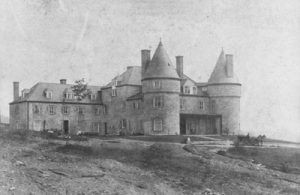
Gifford started his academic journey at Yale, eventually traveling to Europe to study forestry, a discipline not yet in existence in American academia. Gifford, inspired by new aged ideas, spent many years exploring alternative environmental strategies that would lead him to become a prophet of American conservation.
Appointed by close friend and ally President Theodore Roosevelt, Gifford Pinchot became the first ever Chief of the US Forest Service in 1905 with Grey Towers serving as the base, and heart, of his operations.
President Roosevelt and Pinchot were born into the wealth of the industrializing American East Coast. Socialites in similar circles, Roosevelt and Pinot found friendship through their interest in nature. Roosevelt and Pinot were avid outdoorsmen and adventurers, traveling North America and beyond, to escape the shackles of polite society. Roosevelt and Pinot become literate in the concepts of sustainability from their observations of ecology, teachings of indigenous peoples, and the musings of their naturalist peers.
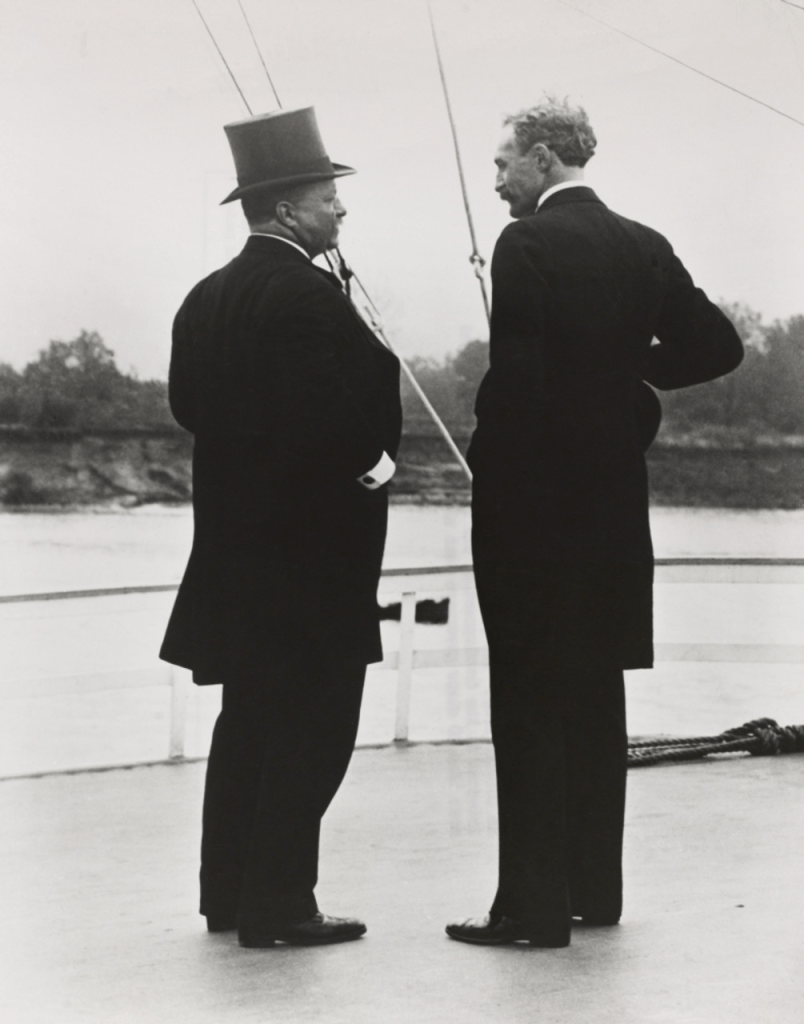
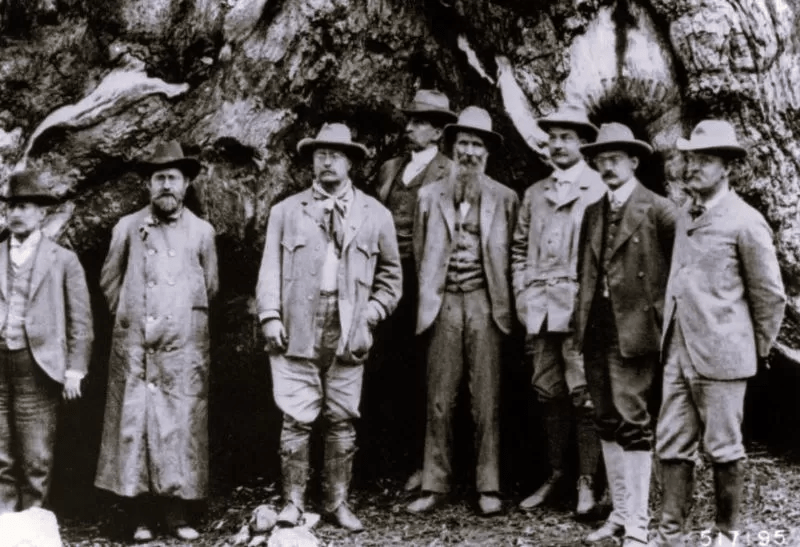
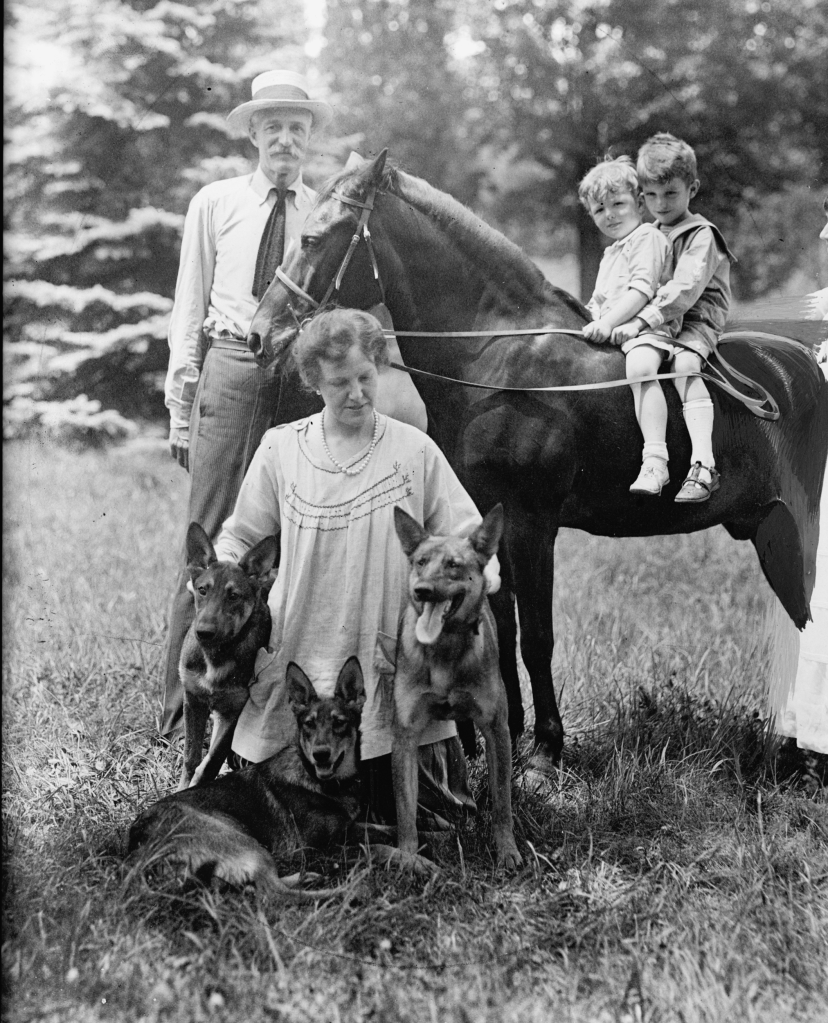
With Pinot the appointed Chief of the newly formed National Forest Service, Grey Towers soon became the epicenter for American conservation. Sitting around the famed “Water Table” at the estate, Gifford and his wife Cornelia, would host gatherings to workshop the social and political barriers harboring national conservation efforts. Their social innovation and persistent advocacy contributed to a great net gain in active conservation and supported the overall efforts of President Roosevelt.
In a time when industrializing, capitalist America was soaring and booming, Roosevelt, Pinot, and their peers took a moment to reflect on the future of our natural resources and natural heritage. They would put forth the ideas that founded American conservation, concepts in sustainability, and effectively developed the system for federally protected lands. These men and their peers represented the true spirit of rewilding by honoring the intrinsic value of nature with revolutionary thinking regarding the preservation of wilderness for generations to come.
Battling scrutiny, opposition, and rage from political leaders and businessmen, President Roosevelt significantly expanded the National Park Service by utilizing the Antiquities Act of 1906- a U.S. law that allows the President to designate federal lands as national monuments to protect cultural and natural resources of historic or scientific interest. President Roosevelt established five new National Parks and 18 national monuments, protecting a total of 230 million acres of public land during his Presidency.
Under the same social and political obstacles, Pinot shared public speeches, publications, and events, bringing conservation to the forefront of national policy. Working with President Roosvelt, Pinot successfully increased national forests from 32 to 149 with a total protected acreage increased from 56 million to 193 million acres over this term.

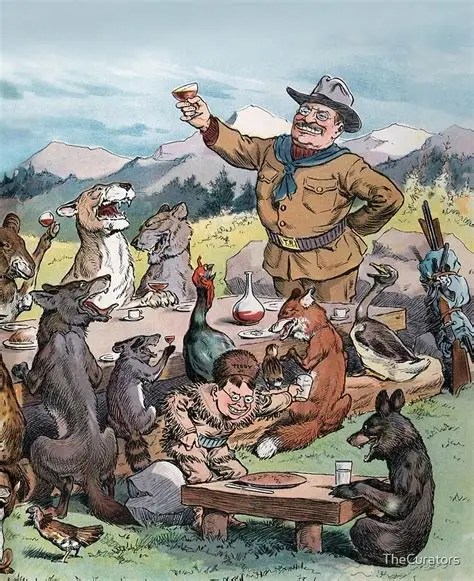
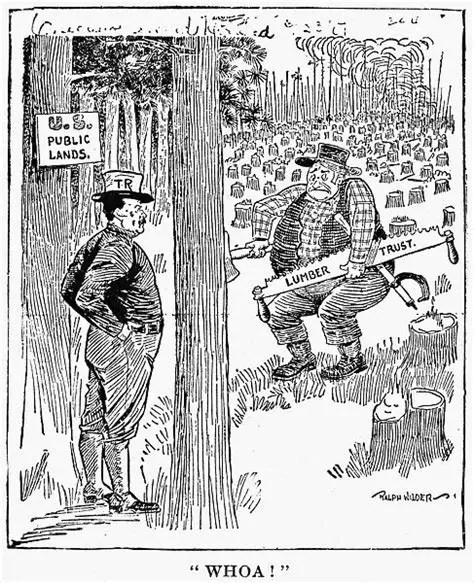
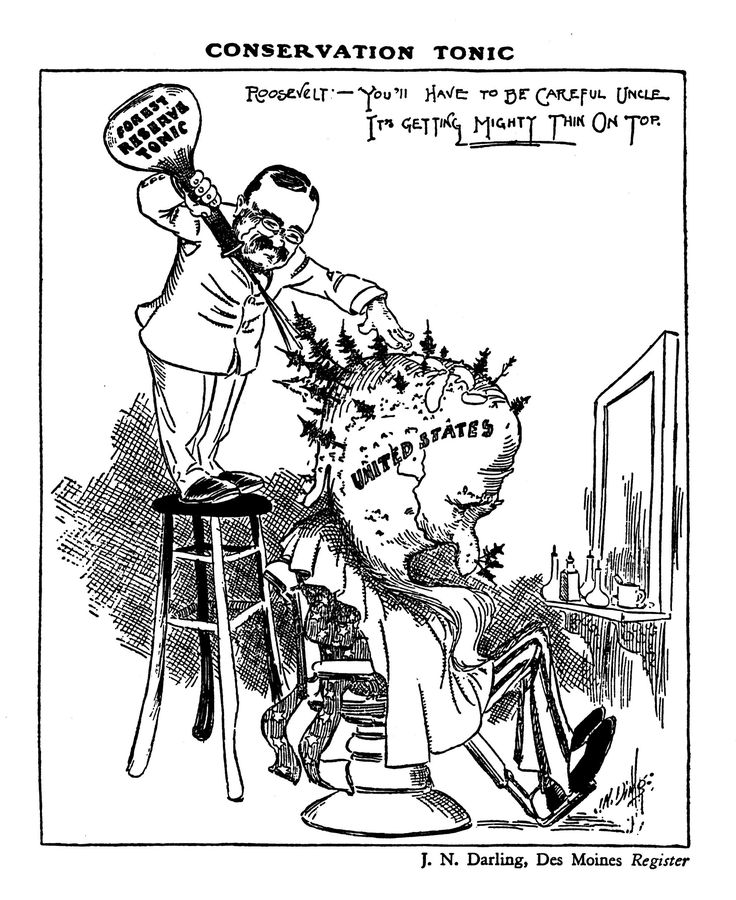
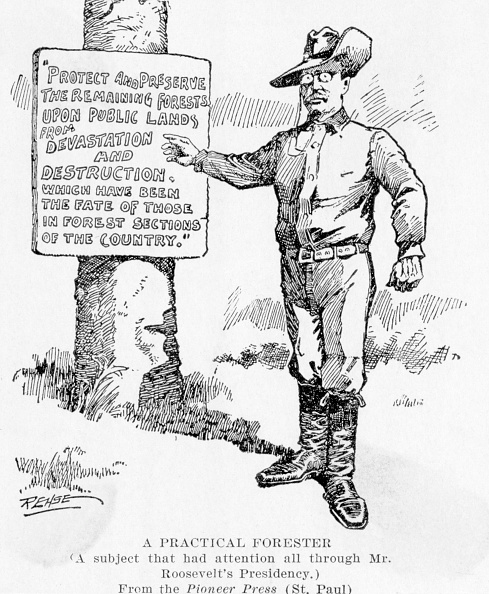
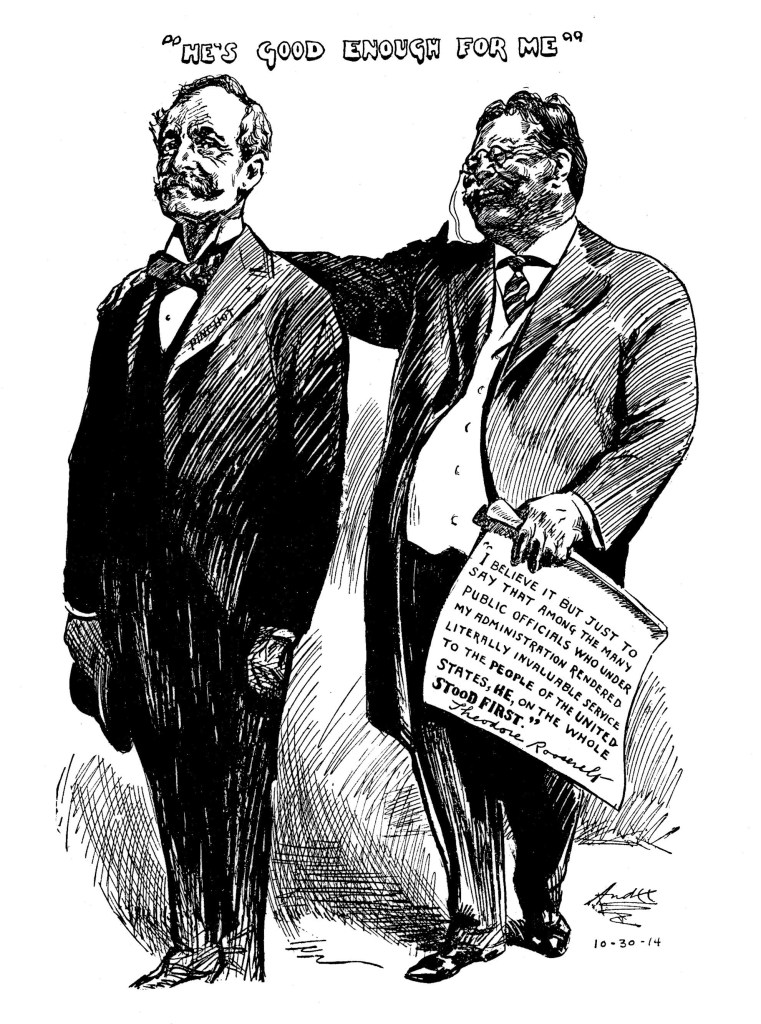
President Roosevelt and Gifford Pinot were Progressive Conservatives. Facing the same systemic challenges that we experience in modern America, greed, monopoly, political corruption, and special interests, these men believed that government should maintain some level of socialism in the form of programs and protections benefiting laborers, public health, and the environment without infringement on the liberties of citizens. In Progressive Conservatism, there is an understanding that the government should only function in the best interest of citizenry- inherently reducing government overreach, corruption, and elitism.
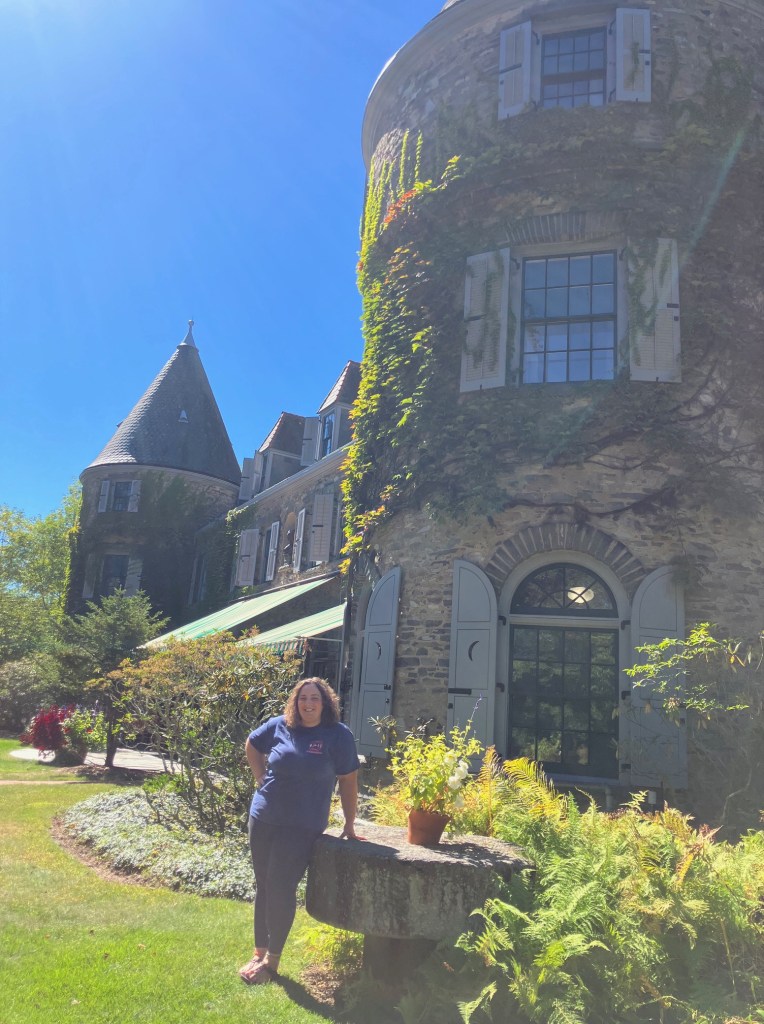
President Roosevelt and Gifford Pinot believed that conservation was essential to the spiritual health and identity of every American past, present, and future. They were right.
Pinot founded the Yale Forestry School in 1900 on the grounds of Grey Towers. This was the first Forestry School in America. In 1963, Gifford Pinot’s family donated Grey Towers and its surrounding 102 acres to the National Forest Service. Three years later, the Department of the Interior designated it a National Historic Landmark. Today, Grey Towers National Historic Site is open to the public with access to the caste and the many trails on the estate. The site is now home to The Pinchot Institute for Conservation and Grey Towers Heritage Association, two nonprofit organizations established to protect and share Pinot’s conservation legacy.
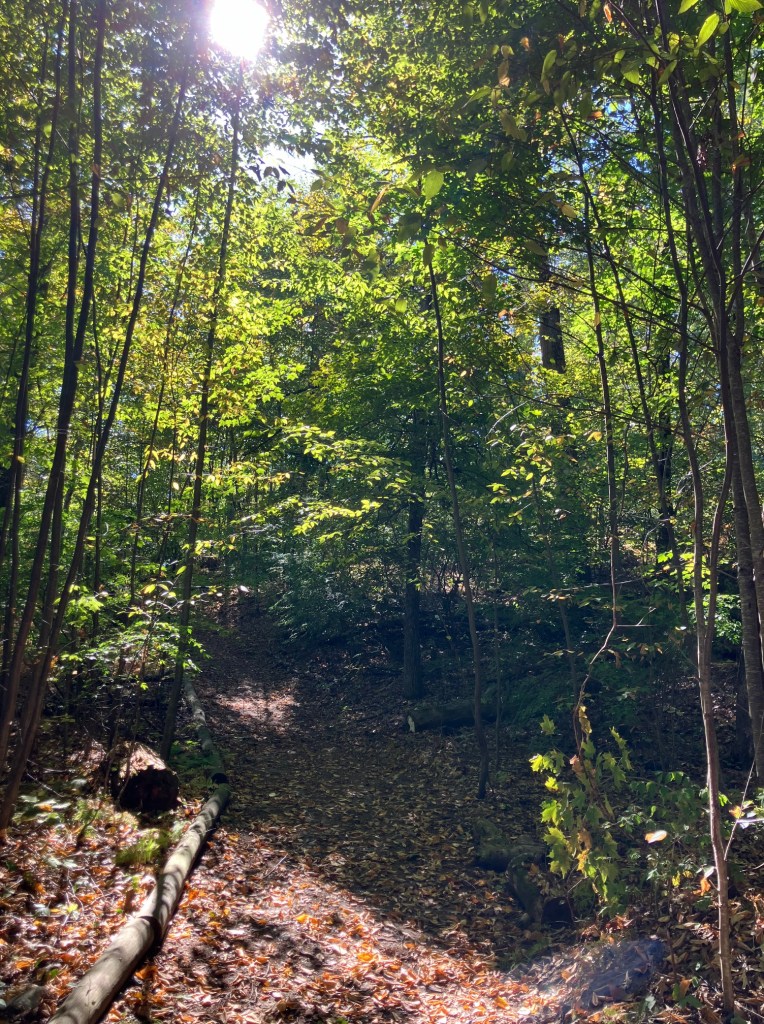
Grey Towers serves as the origin of American conservation. When you visit, in the presence of history, you recognize that the fight to safeguard our wild land is ongoing. The dynamics, stakeholders, and obstacles to conservation remain unchanged. We are still fighting the same battle that Pinot and Roosevelt fought. We are still echoing their message. We still embody their wild spirit.
It is important that we do not allow political stereotypes, assumptions, and falsities to stop us from supporting environmental causes and policy. The Republican Party should be leading the way with innovative policies that safeguard both our liberty and environment- it is our job as voters to make sure they do.
As individual citizens, we can make choices that support nature and contribute to conservation. This includes eliminating use of pesticides, herbicides, and fertilizers, planting native plants, protecting trees, hunting and fishing with ethnics, adding habitat elements on property for wildlife, advocating for the expansion of protected areas, donating to land trusts and preservation programs, and, above all, supporting the work of rewilding organizations- small and large.
Conservation is part of our American identity, like Pinot and Roosevelt, let it be the legacy that we leave behind.

“We have fallen heirs to the most glorious heritage a people ever received, and each one must do his part if we wish to show that the nation is worthy of its good fortune.” -President Theodore Roosevelt
To an America wild and free,
Franny
Home | Grey Towers National Historic Site | Forest Service
Grey Towers National Historic Landmark – Forest History Society
 Rewilding4Republicans
Leave a comment